
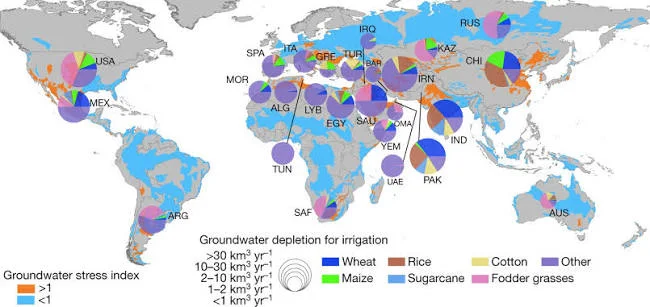
An international border is invisible underground, but the location of a pumping well can make a difference to the communities on either side. Intensive groundwater abstraction close to a border has greater potential to affect neighbouring users than comparable pumping farther away. Yet cooperation often focuses on which aquifers countries share, with less attention to where water is actually being withdrawn.
That distinction is at the heart of Why Groundwater Use Location Matters in Transboundary Aquifers, a policy brief published in October 2026 by the United Nations University Institute for Water, Environment and Health (UNU-INWEH). Its central argument is straightforward: sharing an aquifer does not necessarily mean sharing the same groundwater problem.
 Water sector updates
Report finds groundwater depletion and irrigation concentrate near international borders
Comments 0
Loading comments…
Keep reading
All articles →More articles
 Flood and drought
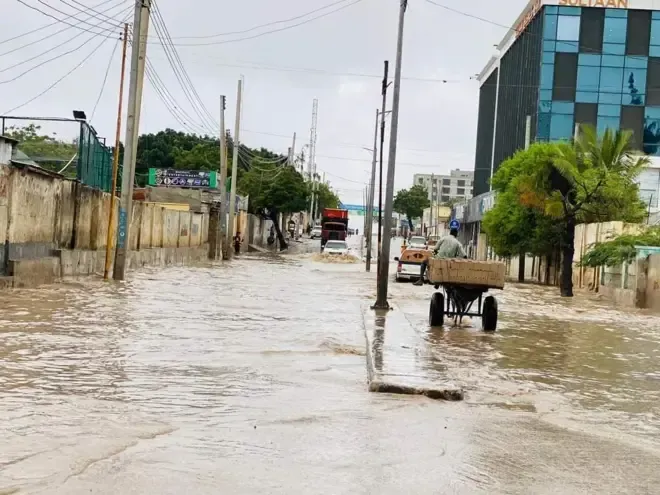
Flooding in Mogadishu and Across Somalia: Why Climate Resilience and Drainage Matter More Than Ever
Flooding has become one of the most urgent climate and urban challenges facing Mogadishu and many parts of Somalia. In 2025 and 2026, heavy…
Read article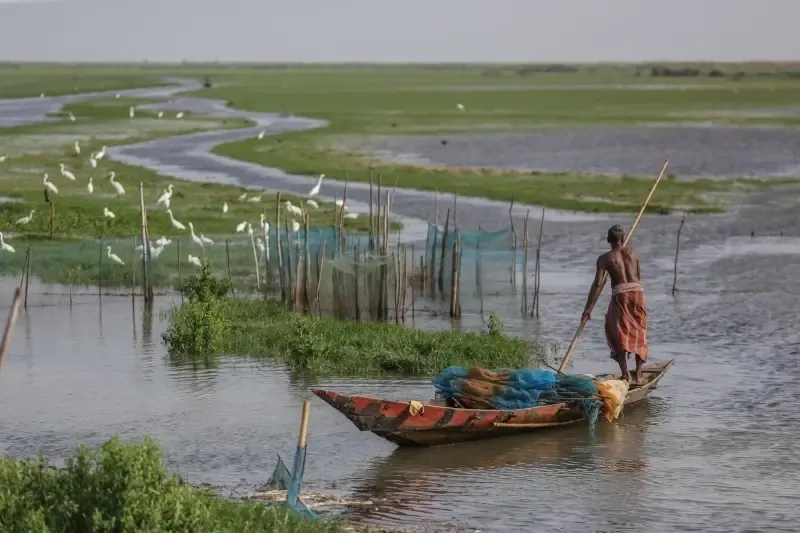 Water sector updates
How do satellites know wells are running dry before anyone notices?
Groundwater is vital for many communities. Satellites now track underground water loss, revealing declines before wells run dry. This…
Read article Water sector updates
Baku Dialogue on Water for Climate Action: Interim Meeting at UN Climate Talks
A new report from the UN Children’s Fund UNICEF examines how youth engagement currently functions within water, sanitation and hygiene WASH…
Read articleFind out more
Explore our website and trusted resources on water, groundwater and climate.